

LaShonda Proctor
Meet LaShonda Proctor, Clinical Advocate!
During the World Cup and beyond, our team members demonstrate what care-based response looks like in action. Because behind every PAD assist is a person committed to helping another person move forward.
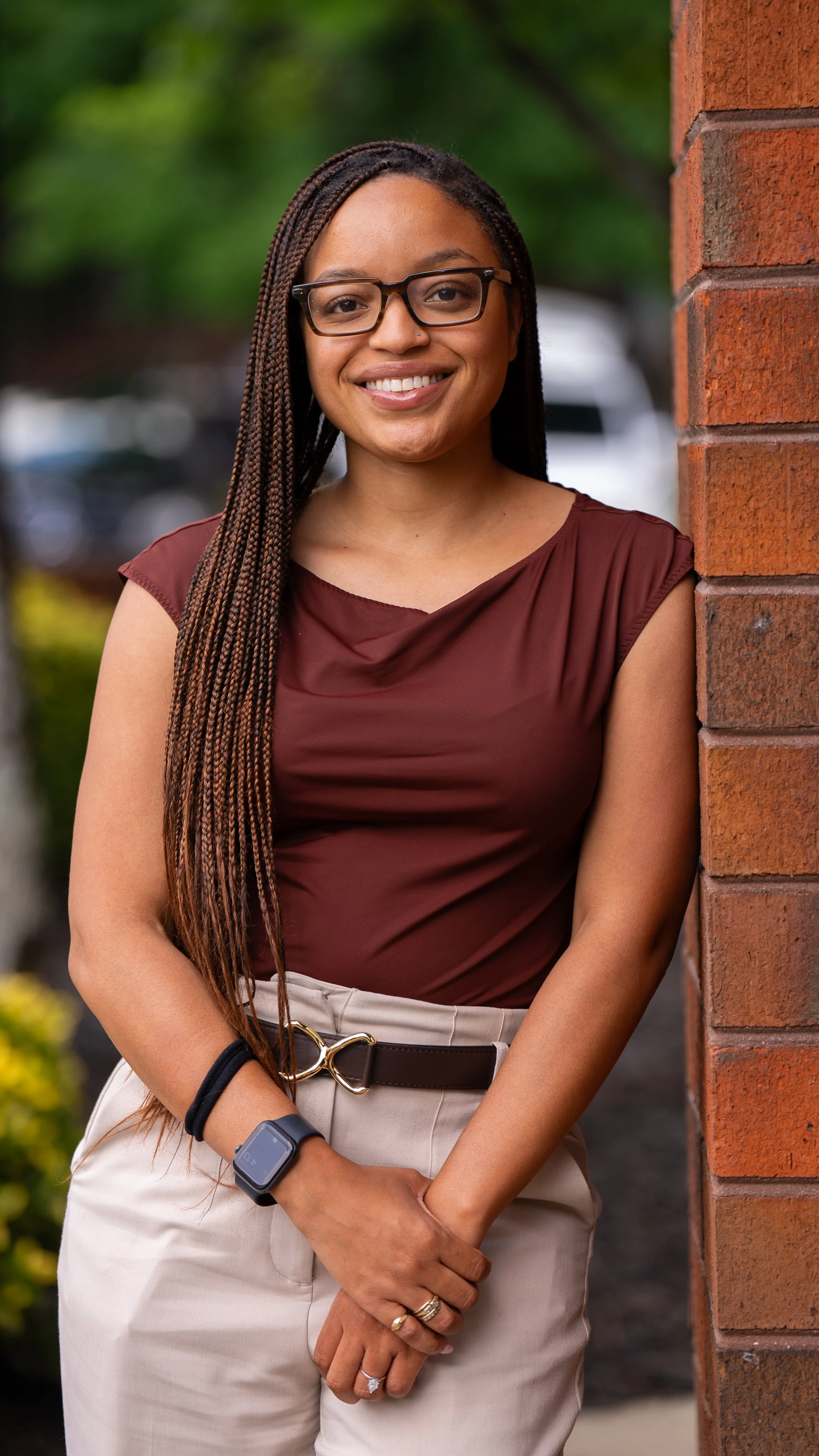
The Best Assist - LaShonda Proctor

“PAD’s work is about restoring dignity, creating access, and reminding people that they are worthy of support, safety, and opportunity, no matter where they are in their journey.”
If you could leave people with one message about PAD or the people PAD serves, what would it be?
The people PAD serves are individuals with stories, strengths, and potential beyond the challenges they may currently be facing. Many are navigating being chronically unhoused, mental health challenges, substance use, trauma, and systemic barriers all at once, yet they still show incredible resilience every day. PAD’s work is about restoring dignity, creating access, and reminding people that they are worthy of support, safety, and opportunity, no matter where they are in their journey. Disability does not mean inability, and with the right support, resources, and community, people can achieve stability, healing, and growth.
Every great team needs support. How does your work assist the community?
My work assists the community by helping bridge gaps between individuals and the systems meant to support them. I work closely with people experiencing homelessness, (SPMI) severe and persistent mental illness, justice involvement, and other complex challenges by connecting them to housing, behavioral health services, medical care, benefits, and community resources. I also advocate for participants during some of their most vulnerable moments to help reduce barriers and improve long-term stability. At its core, the work is about helping people feel seen, supported, and empowered.
What does "meeting people where they are" mean to you?
Meeting people where they are means recognizing people can be at a different stage in their journey and respecting their autonomy and readiness for change in that moment. It's understanding growth and healing are rarely linear, especially for individuals navigating complex needs. It means showing up without judgment, building rapport, and supporting people consistently while recognizing that progress can look different for everyone. Sometimes support looks like helping someone access housing or treatment, and other times it simply means being a safe and reliable presence until they are ready for the next step.